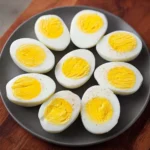
Naturally Dyed Easter Eggs

Naturally Dyed Easter Eggs are more than just a festive tradition; they’re an artistic showcase of colors that come straight from nature. Imagine the stunning shades of earthy browns, vibrant reds, and soft greens that elegantly grace your table—a visual feast that not only celebrates spring but also brightens your home. This vibrant dish isn’t merely about aesthetics; it’s also a delightful way to engage the whole family in a creative activity that textures your life with beautiful memories.

Creating Naturally Dyed Easter Eggs offers an exciting, beginner-friendly experience that brings joy without the complexity. You get to harness everyday ingredients to craft stunning results, perfect for a holiday gathering or any day. Simple to do, cost-effective, and safe for children, this activity is as rewarding as it is fun. Just a few easily accessible materials and you’re on your way to creating beautiful, natural works of art! I invite you to give this a try and watch your Easter celebrations come to life.
Table of Contents
Why You’ll Love This Recipe
- Simple & Quick: Get these eggs ready in about an hour, plus a bit of chill time—totally manageable!
- Irresistible Flavor: The earthy tones and natural beauty will make your eggs the star of any holiday gathering.
- Eye-Catching Appeal: Each egg becomes a conversation starter with its unique dye pattern and vibrant colors.
- Flexible Serving: Enjoy them as a beautiful appetizer, or use them in salads and snacks throughout the week.
- Diet-Friendly Options: Naturally dyed eggs are gluten-free and perfect for various dietary preferences.
Ingredients You’ll Need
- 12 eggs: While white eggs give bold colors, brown eggs yield softer, earthier hues.
- 12 small leaves of choice: Use parsley, mint, basil, cilantro, fern, Japanese maple, or herb flowers for decorative stamping.
- 1 pair of light beige or nude nylon tights: These will hold the leaves against the eggs for dyeing.
- Onion peels: Gather enough to fill half the pot; both yellow and red onion peels work wonderfully.
- 2-3 medium beetroots (roughly chopped, about 2 cups/250g): These create vibrant reds and pinks.
- 8 cups (1.9 liters) water: Essential for boiling and dye extraction.
- ¼ cup (60ml) white vinegar: Improves dye adherence and color richness.
- 1-2 slices of smoked ham (or oil): Rubbing this on dried eggs adds a beautiful, natural shine.
How to Make Naturally Dyed Easter Eggs
- Wash the Eggs: Start by washing each egg with dish soap under warm water to remove any residue. Once clean, dry them well.
- Prepare the Tights and Leaves: Cut your tights into 12 pieces, about 5 to 6 inches each. Soak your chosen leaves in warm water for a few minutes to soften them.
- Wrap the Eggs: Place a leaf against the unstamped side of each egg. Wrap each egg in a piece of tights, pulling tight, twisting at the base, and tying a knot. Repeat for all 12 eggs.
- Layer for Dying: In a pot, layer half the onion peels at the bottom. Place the wrapped eggs leaf-side down, then add the chopped beetroot, half the water, and the vinegar. Top with the remaining onion peels and the rest of the water.
- Simmer: Bring the pot to a gentle simmer for 15 to 20 minutes. Avoid hard boiling to prevent cracking.
- Cool and Chill: Once simmered, remove from heat and allow to cool. For lighter colors, refrigerate for 1 to 2 hours; for deeper shades, overnight chilling is best.
- Unwrap the Eggs: After chilling, cut the knot and carefully remove the tights and leaves. Dry each egg on a paper towel.
- Shine Them Up: For a lovely finish, rub each dried egg with a slice of smoked ham or a bit of oil to achieve a natural shine.
Storing & Reheating
Store your Naturally Dyed Easter Eggs at room temperature for up to two days. For longer freshness, refrigerate them in an airtight container for up to a week. These eggs are not ideal for freezing as that may alter the texture. If you’re planning to use them later, simply keep them chilled until you’re ready to enjoy. When reheating, a gentle warm bath in some water can help maintain their integrity.
Chef’s Helpful Tips
- To avoid cracks, handle the eggs gently when boiling and avoid a rapid boil.
- Make sure eggs are at room temperature before starting this recipe for even dye absorption.
- Consider preparing extra eggs in case of any breakage during the process!
- If you desire different shades, tweak the dyeing time while keeping the eggs in the simmering water.
- For a more rustic look, use leaves with unique textures—think ferns or small flower petals.
Each Naturally Dyed Easter Egg presents its own masterpiece, inviting you to explore and play with colors right from your kitchen. The joy and creativity packed into this activity create memories that will linger long after Easter celebrations have passed.

Recipe FAQs
Can I use different vegetables for dyeing?
How long do the eggs stay good?
Can kids help with this project?
What if I can’t find nylon tights?
More Desserts & Appetizers Recipes
👉 If you make my Naturally Dyed Easter Eggs recipe, please leave a comment and a star rating — it really helps others discover the recipe.
Follow me on
Pinterest
for more easy recipes.

Naturally Dyed Easter Eggs
- Prep Time: 20 minutes
- Cook Time: 35 minutes
- Total Time: 55 minutes
- Yield: 12 eggs 1x
- Category: Desserts & Appetizers
- Method: Boiling
- Cuisine: N/A
Description
These Naturally Dyed Easter Eggs are a delightful way to celebrate spring. Made with simple ingredients like beetroots and onion peels, they offer a burst of color and natural flavor. Perfect for family gatherings or as a fun activity with kids, this recipe is easy to follow and yields beautifully colored eggs that are sure to impress.
Ingredients
- 12 white eggs (for bold color; brown eggs yield softer tones)
- 12 small leaves of choice (parsley, mint, basil, cilantro, fern, Japanese maple, or herb flowers)
- 1 pair of light beige or nude nylon tights
- Onion peels (enough to fill half the pot; yellow or red onions work)
- 2-3 medium beetroots, roughly chopped (about 2 cups / 250g)
- 8 cups / 1.9 liters water
- ¼ cup / 60ml white vinegar
- 1-2 slices of smoked ham (or oil) for shining the dried eggs
Instructions
- Wash each egg with dish soap under warm water and dry thoroughly.
- Cut the tights into 12 pieces, about 5 to 6 inches each, starting from the foot.
- Soak the leaves in warm water for a few minutes until softened.
- Press a leaf flat against the unstamped side of each egg.
- Wrap the egg in a piece of tights, pulling tight, twisting at the base, and tying a knot at the top. Repeat for all 12 eggs.
- Layer half the onion peels in a pot. Add the wrapped eggs leaf-side down, followed by the chopped beetroot, half the water, the vinegar, and the remaining onion peels with the rest of the water.
- Bring the mixture to a gentle simmer for 15 to 20 minutes, avoiding hard boiling to prevent cracking.
- Remove from heat and allow to cool. Refrigerate for 1 to 2 hours for lighter color, or overnight for deeper red.
- Cut the knot, remove the tights and leaves, and dry the eggs on a paper towel.
- Once fully dry, rub each egg with a slice of smoked ham for a natural shine.
Notes
Using white eggs yields more vibrant colors than brown eggs.
For best results, let eggs sit in the dye overnight for richer colors.
Be careful not to overcook the eggs to prevent cracking.
Nutrition
- Serving Size: 1 egg
- Calories: 78
- Sugar: 0g
- Sodium: 62mg
- Fat: 5g
- Saturated Fat: 1.5g
- Unsaturated Fat: 3g
- Trans Fat: 0g
- Carbohydrates: 0.6g
- Fiber: 0g
- Protein: 6g
- Cholesterol: 186mg